NFTs Explained: Why Everyone Goes Ape Over Digital Art

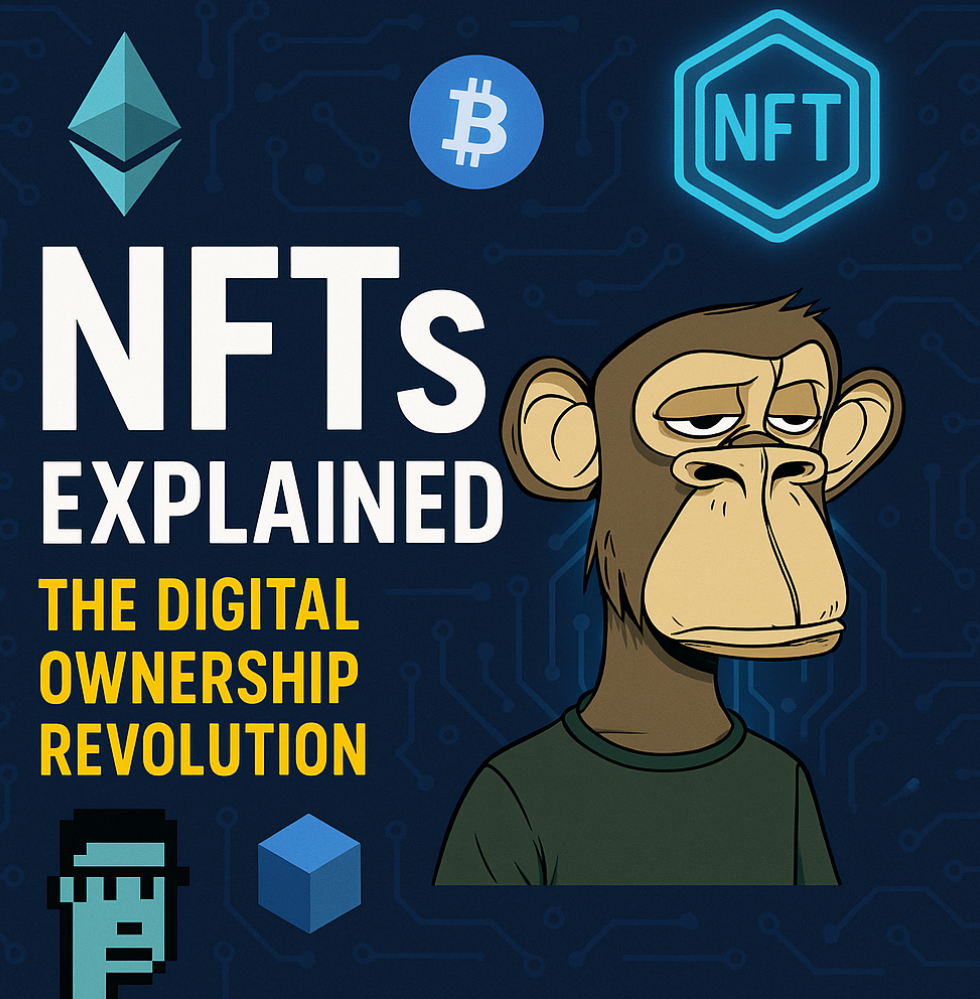
If you’ve seen pixelated punks, bored-looking apes, or 3D blocky characters selling for hundreds of thousands of dollars and thought, “Wait… people are buying JPEGs?” — you’re not alone.
Welcome to the world of NFTs — one of the wildest, most confusing, and most game-changing corners of crypto culture.
What Even Is an NFT?
NFT stands for Non-Fungible Token.
It’s a fancy way of saying “a one-of-a-kind digital collectible that lives on a blockchain.”
Think of it like this:
You can trade one Bitcoin for another Bitcoin and nothing changes — that’s fungible.
But an NFT? It’s unique. Like a numbered trading card, a signed vinyl, or the original sketch of a painting — you can’t just swap it for another and call it equal.
An NFT is basically a digital certificate of ownership. It proves you own something that exists online — whether that’s an image, a video, a song, or even a piece of virtual real estate. The blockchain acts as the permanent record that says, “Yeah, this belongs to you.”
Why Are People Paying So Much?
Let’s clear this up — no, people aren’t paying for just the image.
They’re paying for ownership, scarcity, and status.
Here’s what drives the hype (and the price tags):
- Digital Scarcity – Just like there are only so many first-edition sneakers or Pokémon cards, NFT projects limit how many tokens exist. Once they’re gone, they’re gone.
- Proof of Authenticity – You can screenshot a picture, but you can’t fake ownership. The blockchain keeps track of who owns the real one.
- Community and Access – Many NFT collections double as membership passes. Owning one can get you access to private groups, events, or future drops.
- Cultural Status – In the same way luxury brands flex offline, NFTs flex online. Owning a rare “ape” or “punk” is digital clout.
- Investment Potential – Some see NFTs as digital assets that could appreciate in value — though it’s risky and far from guaranteed.
So yeah, it’s about art, tech, and status all colliding. The flex just happens to live on the blockchain.
How Do You Actually Buy One?
If you’re NFT-curious, here’s the crash course:
- Get a crypto wallet – You’ll need one that supports NFTs (like Phantom or MetaMask).
- Add some crypto – Most NFTs are bought using Ethereum, but Solana and other blockchains have their own NFT ecosystems too.
- Pick a marketplace – Sites like OpenSea, Magic Eden, or Blur are where most NFTs are bought, sold, and traded.
- Find a project – Start with known collections or explore new drops. Check the number of items, rarity, and community hype.
- Mint or buy – “Minting” means buying directly when it first launches. Otherwise, you buy from someone reselling.
- Confirm and pay fees – Every blockchain transaction comes with a small gas or network fee.
- Own it – Once it’s in your wallet, that NFT is yours to hold, trade, or show off.
And yes — your NFT collection can be viewed on your wallet, your profile, or even in a virtual gallery. Welcome to digital ownership.
The Collections That Started It All
Let’s talk about the heavy hitters that made NFTs a cultural phenomenon:
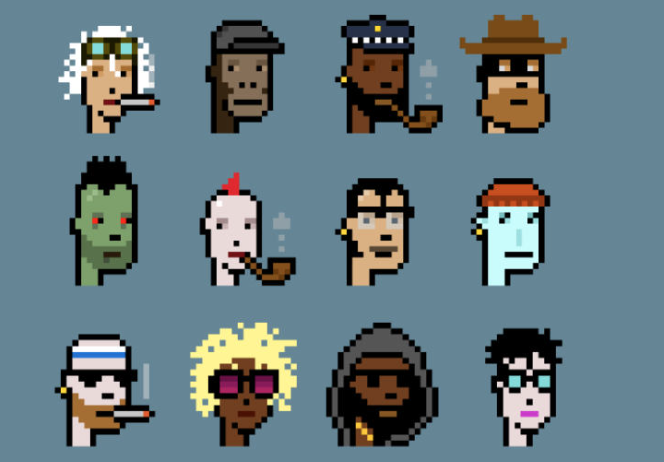
- CryptoPunks – The original flex. Ten thousand pixel characters created years ago and now considered digital relics. Early, iconic, and expensive.
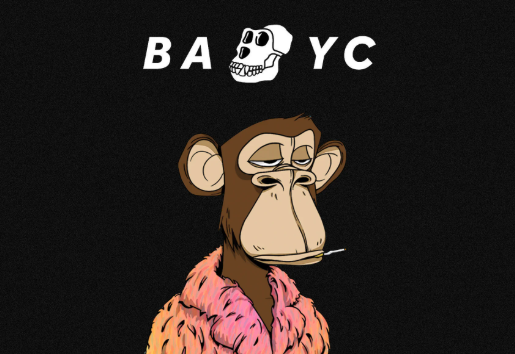
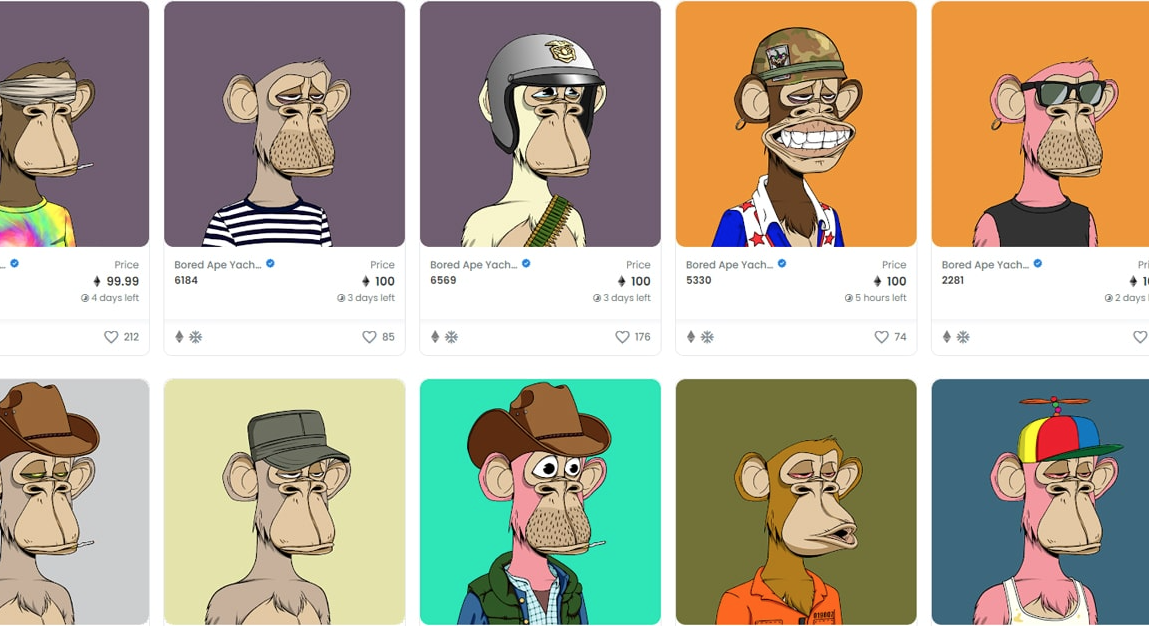
- Bored Ape Yacht Club – A collection of 10,000 unique apes that turned into a full-blown brand. Owners get membership perks, events, and a serious dose of status.
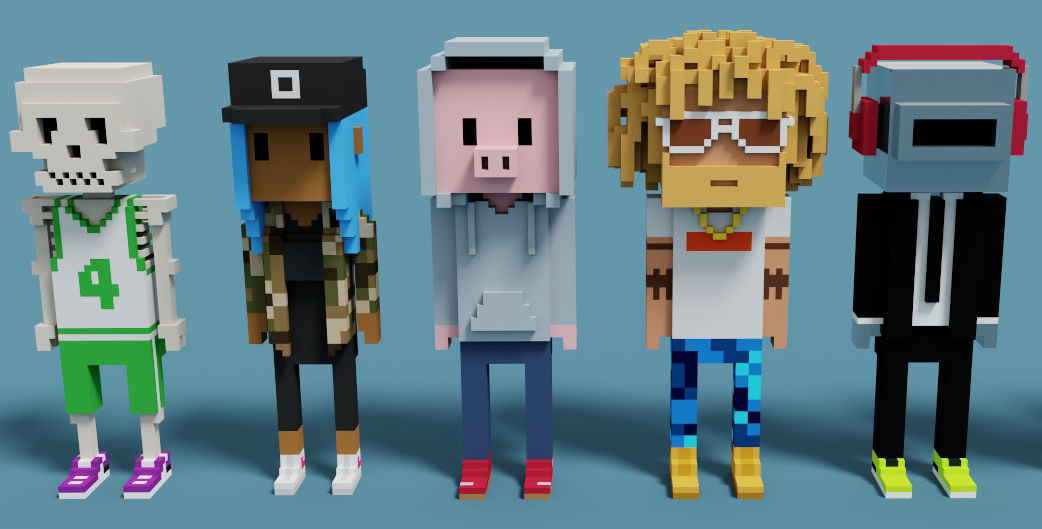
- Meebits – 3D voxel-style characters made by the same creators as CryptoPunks. Think of them as avatars for the metaverse era.
These projects proved that NFTs could be more than art — they could be identity, access, and community rolled into one token.
Why NFTs Matter Beyond the Hype
Even if you strip away the crazy price tags, NFTs introduced something groundbreaking:
Digital ownership with proof.
Before NFTs, the internet was all copy-paste. Nothing online could be truly “yours.” Now, that’s changed.
NFTs give creators a new way to sell and earn royalties. They let fans actually own part of a movement. They’re paving the way for new industries — from gaming assets to virtual real estate to digital fashion.
It’s not just about collectibles. It’s about a new way to own things online.
But Let’s Be Real - There Are Risks
Not everything that glitters on-chain is gold.
- The market is volatile. Prices rise and crash fast.
- Ownership rights can be murky — owning the NFT doesn’t always mean you own the artwork’s copyright.
- Scams and fake collections exist.
- The hype can fade quickly.
So yes, NFTs can be fun and profitable — but also risky. Always research before you buy, and never spend what you can’t afford to lose.
The HypeGeek Take
NFTs are where art meets tech meets culture.
They’re collectibles for the digital age — status symbols for the online world. Whether it’s a punk, an ape, or something totally new, each NFT tells a story about the evolution of ownership on the internet.
So next time someone says, “Why would you buy a JPEG?”, you’ll know the answer:
It’s not the picture — it’s the proof, the community, and the future of digital identity and let's not forget the hopes of it mooning.